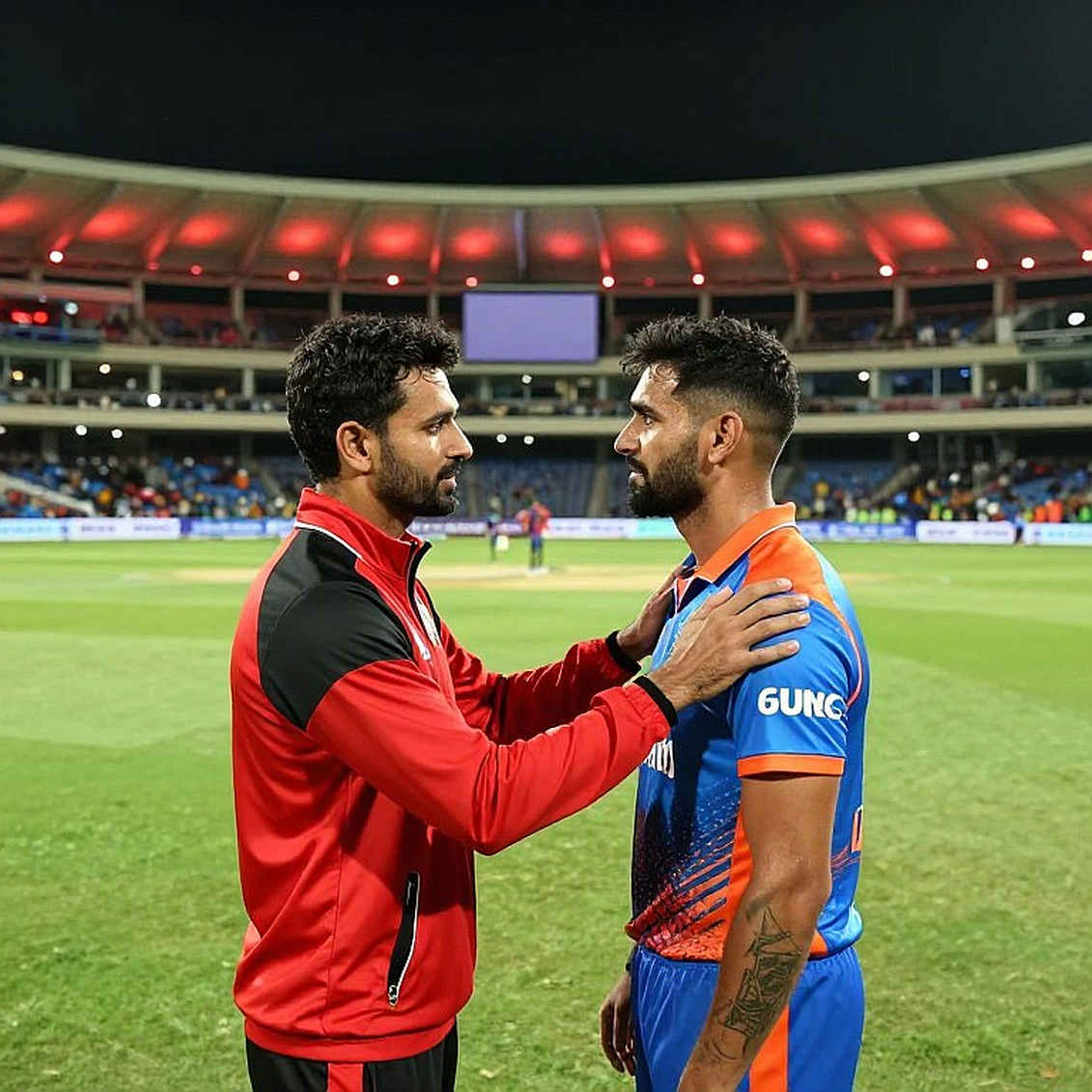
Asia's New Cricket Geography: Expanding Talent, Strained Competition
एशियाई क्रिकेट की मुख्य संरचनात्मक समस्या प्रतिभा की कमी नहीं, बल्कि असमान अवसर और आमदनी का बंटवारा है। एशिया कप जैसे क्षेत्रीय टूर्नामेंट कैलेंडर का स्थायी हिस्सा बन चुके हैं, लेकिन भागीदारी अभी भी कुछ ही टीमों तक सीमित है। भारत, पाकिस्तान और श्रीलंका आर्थिक और प्रतिस्पर्धी रूप से केंद्र में हैं; बांग्लादेश लगातार उच्चस्तरीय दबाव वाले मुकाबलों की कमी से जूझ रहा है; अफ़ग़ानिस्तान ने तेज़ी से प्रगति की है पर उसका आधार संस्थागत से अधिक प्रतिभा-आधारित है; नेपाल, ओमान, यूएई और हांगकांग के सामने मुख्य बाधा राजस्व है। आईपीएल एशियाई क्रिकेट का सबसे बड़ा रोज़गार बाज़ार बन चुका है, जिससे खिलाड़ी आर्थिक रूप से सुरक्षित हो रहे हैं, पर पूरा पारिस्थितिक तंत्र एक ही अर्थव्यवस्था पर निर्भर होता जा रहा है। टी20 लीगों के विस्तार से अंतरराष्ट्रीय कैलेंडर के साथ टकराव और खिलाड़ियों पर कार्यभार बढ़ा है। महिला क्रिकेट में प्रगति हुई है, लेकिन मैच फ़ीस, सुविधाओं और कवरेज में असमानता बनी हुई है।
Asian cricket is telling two stories at once. The first is a story of expanding talent, spread across more cities and more countries than ever before. The second is a story of the structure that talent plays inside, and that structure still orbits the same old centres. The tension between these two stories is the most important story in Asian cricket today.
The Asian Cricket Council is the region's oldest organisational framework, and the Asia Cup is its most visible product. The Asia Cup's greatest achievement has been making regional competition a permanent calendar fixture. Its greatest limitation is the same thing: the format keeps changing, the host keeps changing, and the breadth of participation keeps contracting and expanding. On a continent with more than twenty member nations, the main draw of the Asia Cup still remains confined to a handful of teams.
India, Pakistan and Sri Lanka are the gravity centres of Asian cricket. India has the market, the audience and the player base, and its domestic tournament, the IPL, has become the single largest economic magnet for cricketers worldwide. Pakistan has an extraordinary fast-bowling tradition, and its national side has repeatedly shown that it can beat anyone on a given day, but administrative instability and unpredictability in domestic scheduling have never converted that talent into sustained structural gain. Sri Lanka, which two decades ago produced outsized results with limited resources, has passed through an economic crisis and player migration.
The clear conclusion is that more teams in Asia do not automatically produce more competition. Competition grows when teams play each other regularly, when they have a stable domestic structure, and when their performances are assessed fairly. The absence of sustained bilateral series and the unequal sequence of big-tournament appearances is the oldest structural weakness of Asian cricket.
Bangladesh is the best example of this contradiction. Its domestic framework, facilities and player development are not small, yet it keeps failing to take the final step at the big stage. This is not a shortage of talent; it is a shortage of the habit that is built only through a steady supply of high-pressure matches.
Afghanistan's story arrives from the opposite direction. In less than a decade it has established itself as a serious competitor. Its bowlers, especially in the spin department, have repeatedly tangled up international batters. But Afghanistan's problem is that its progress has been talent-driven rather than institution-driven. Domestic structure, age-group pathways and the financial base remain limited.
Nepal, Oman, the United Arab Emirates and Hong Kong are evidence that cricket is expanding. Nepal gained ODI status, Oman and the UAE earned places at global tournaments, and for long periods they remained outside the international calendar. The biggest problem for these teams is not opportunity but revenue. They do not command a large share of sponsorship and broadcast money, and so their preparation systems stay limited.
On the economic side, the IPL's role is central. The tournament is not just entertainment; it has become the main employment market of Asian cricket. One consequence is that players are becoming financially secure, especially those from countries where domestic cricket revenues are low. The other consequence is that the best talent of the whole continent is growing dependent on a single national economy. That raises the fragility of the ecosystem.
Similar questions surround the emerging T20 leagues. Several countries have launched their own, India has expanded the IPL, and the Pakistan and Sri Lanka leagues are carving out market space. But the common result is a growing collision between the international calendar and the league calendar. Players, especially fast bowlers and all-rounders, struggle with injury and fatigue.
Women's cricket is one of the fastest-changing areas in Asia. The Indian women's team now attracts as much attention and sponsorship as the men's side, and its effect is felt across Asia. The women's teams of Sri Lanka, Bangladesh and Pakistan are also strengthening gradually. But this progress is unequal too. In many countries, women players still receive far less in match fees, training facilities and media coverage than their male counterparts.
In this whole picture, one thing is clear: the potential of Asian cricket has outrun its capacity to manage itself. The question is not whether Asia has enough talent. The question is whether the framework exists to develop that talent, make it sustainable and give it a proper platform. Today the answers to those two questions are not the same.