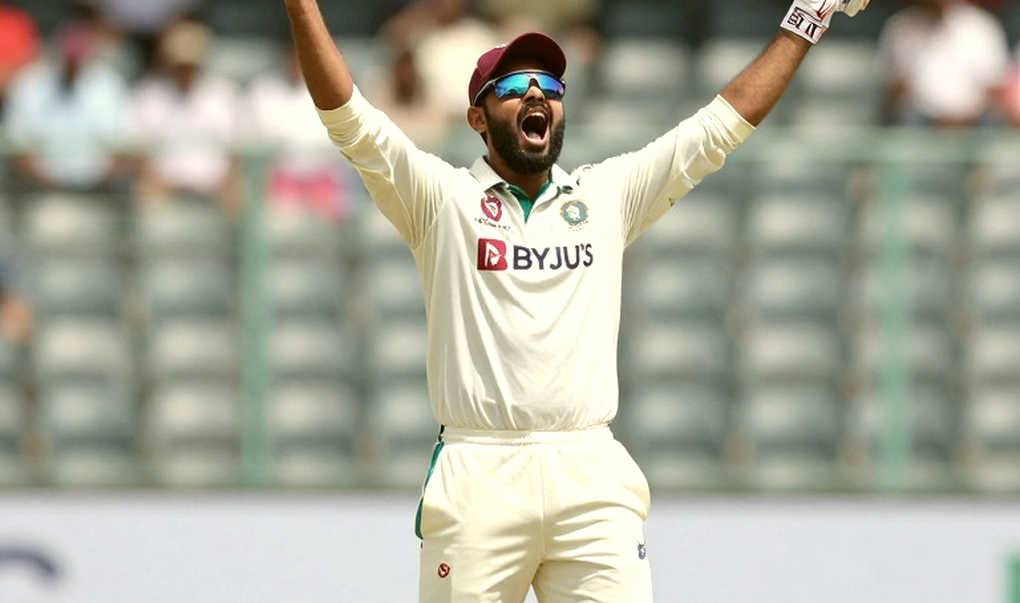
The Changing Geography of Asian Cricket: A Story Beyond the Superstars
एशियाई क्रिकेट अब केवल भारत-पाकिस्तान के द्विपक्षीय ढांचे तक सीमित नहीं है। एशियाई क्रिकेट परिषद (ACC) के टूर्नामेंटों की मेज़बानी भारत, पाकिस्तान, श्रीलंका, बांग्लादेश, संयुक्त अरब अमीरात और पाकिस्तान के बीच बंट चुकी है, जिससे छोटे बोर्डों की बातचीत की ताकत बढ़ी है। मैदान पर सबसे बड़ा बदलाव अफ़ग़ानिस्तान का उभार है — राशिद खान और मोहम्मद नबी की अगुवाई में वह नियमित रूप से बड़े टूर्नामेंटों में खेलता है। नेपाल, ओमान, यूएई, बहरीन, हांगकांग और मलेशिया सहयोगी सदस्य के रूप में लगातार आगे बढ़ रहे हैं। मुख्य चुनौतियां तीन हैं: टी20 कैलेंडर और फ्रैंचाइज़ी लीगों (आईपीएल, पीएसएल, एलपीएल, बीपीएल, आईएलटी20) के कारण खिलाड़ियों पर बढ़ता कार्यभार, सहयोगी देशों के लिए वनडे विश्व कप पात्रता का कठिन रास्ता, और स्टेडियम व अकादमी के मामले में भारत तथा पड़ोसी देशों के बीच की बड़ी असमानता। महिला क्रिकेट — विशेषकर महिला प्रीमियर लीग और भारतीय टीम की बढ़ती दर्शक-संख्या — इस दशक का सबसे तेज़ी से बढ़ता क्षेत्र है।
For the better part of two decades, the story of Asian cricket was told through two names — India and Pakistan. That framing is now incomplete. The centre of gravity within Asia is shifting from one to many: the rise of Afghanistan, the growing presence of Associate nations such as Nepal and Oman, the expansion of franchise cricket in the Gulf, and the organised growth of the women's game have together rewritten the map. The question is no longer who owns the biggest market, but how the power of that market will be shared, and what that distribution does on the field.
Look at the structure of the Asian Cricket Council and the picture sharpens. For years, tournaments such as the Asia Cup existed largely in anticipation of a single India-Pakistan fixture. Hosting duties have since begun to spread. Sri Lanka, Bangladesh, the UAE and Pakistan have jointly carried tournaments. This is not merely logistical: hosting means stadiums, curators, security costs, gate revenue and, above all, a share of broadcast rights. When a major tournament is distributed across four or five countries rather than one, the negotiating strength of those national boards rises with it.
The second dimension of the power balance is financial. The Indian board is the largest revenue engine in the Asian bloc, and that keeps it central to any multilateral arrangement. The Pakistan board has no comparable financial leverage, but it holds the calendar and the right of consent — its participation is essential to finalising any bilateral or multi-team series. Sri Lanka has historically played the mediator, and Bangladesh consistently secures a seat at the table on the strength of its domestic structure and television rights. This triangular and polygonal politics determines how many matches are played, and where.
On the field, the biggest story belongs to Afghanistan. A team raised amid war and displacement was an Associate nation two decades ago and is now a fixture at major tournaments. Its strengths are clear: a spin attack that finds turn even on foreign surfaces, and batters who do not release the pressure while chasing. Rashid Khan, Mohammad Nabi and their teammates have matured inside franchise leagues where conditions were not familiar to them at the start. That process offers more than experience — it places them inside the ecosystem of Asian cricket rather than on its periphery.
Nepal's story runs along a similar line. For years it had to navigate a complicated qualification maze to reach the biggest stage, but it now appears regularly in Asian and global tournaments. Social media, local T20 leagues and the crowds in Kathmandu have created a momentum that reaches the boardroom. Oman, the UAE, Bahrain, Hong Kong and Malaysia are on the same path — limited domestic infrastructure, but steady progress with small, achievable targets. The efforts of Japan and China may not show in results, yet their organisational investment is not negligible.
Expansion brings a direct problem: the calendar. Successive T20 World Cups, a glut of bilateral series and the long windows reserved by private leagues place a doubled load on players. A modern international cricketer carries three formats plus league commitments in a single year. Workload decisions no longer sit entirely with national boards, because contracts and league calendars are tied into them. Fast bowlers' injuries and fluctuations in form are often read as the price of this over-scheduling. No single board can solve it alone; coordination among Asian boards is felt most acutely here.
On the economic side, a whole ecosystem has formed inside Asia. India's IPL, Pakistan's PSL, Sri Lanka's LPL, Bangladesh's BPL and the Gulf's ILT20 have collectively created a market for players, coaches, commentators and analysts. The upside is that players from smaller nations can experience high-level competition. The risk is that domestic first-class cricket and long-format national competitions fall behind, as young players direct their attention to the shorter T20 pathway.
The future of ODI cricket is part of the same debate. ODI popularity in Asia has historically been strong — slow pitches, large grounds and middle-overs strategy suit the format. But the World Cup qualification system has made the route harder for many Associate nations. Triangular series are expensive to stage, and broadcast rights are worth less than T20. As a result, several boards prioritise T20 domestically, while keeping Test cricket alive is a separate challenge.
Women's cricket is the part of this picture changing fastest. Growing audiences for the Indian women's team, the emergence of the Women's Premier League, and the increasing competitiveness of Sri Lanka, Pakistan and Bangladesh have opened a new market. The challenges remain significant: match fees, contractual protection around maternity, safe travel and consistency of coverage. But the direction is clear, which is why Asian boards are now building women's calendars with intent.
At the level of infrastructure, Asia has a sharp asymmetry. India has world-class stadiums and academies, while several neighbours lack even one international-standard ground. The UAE fills much of that gap — grounds, weather and facilities all exist, which is why a large share of major tournaments lands there. But that is a temporary solution until the infrastructure exists on home soil. Spectator engagement is uneven too: stadiums fill in big cities and sit empty in smaller centres.
What comes next? Three things matter most. First, a transparent and shared calendar, so smaller boards can protect their domestic seasons. Second, a clear financial arrangement for Associate members, with a defined share of gate and broadcast revenue. Third, a balance between formats, in which the commercial pull of T20 does not erase Test and ODI cricket. If these three are managed, Asian cricket can move from a two-country story to a genuinely multi-layered competition.
One thing is certain: the centre of popularity no longer rests only with star players. Names like Rohit Sharma, Virat Kohli, Babar Azam, Shaheen Shah Afridi, Rashid Khan, Wanindu Hasaranga, Shakib Al Hasan and Mustafizur Rahman still sell tickets, but behind them stands a system now generating its own new stories. The real question is how durable and how inclusive that system will be. That will be decided not on the field but in boardrooms and broadcast bids — and that decision will show on the pitches of Asian cricket over the next decade.